January 15, 2026
Math Has a Reading Problem: How Literacy Challenges Impact All Subjects
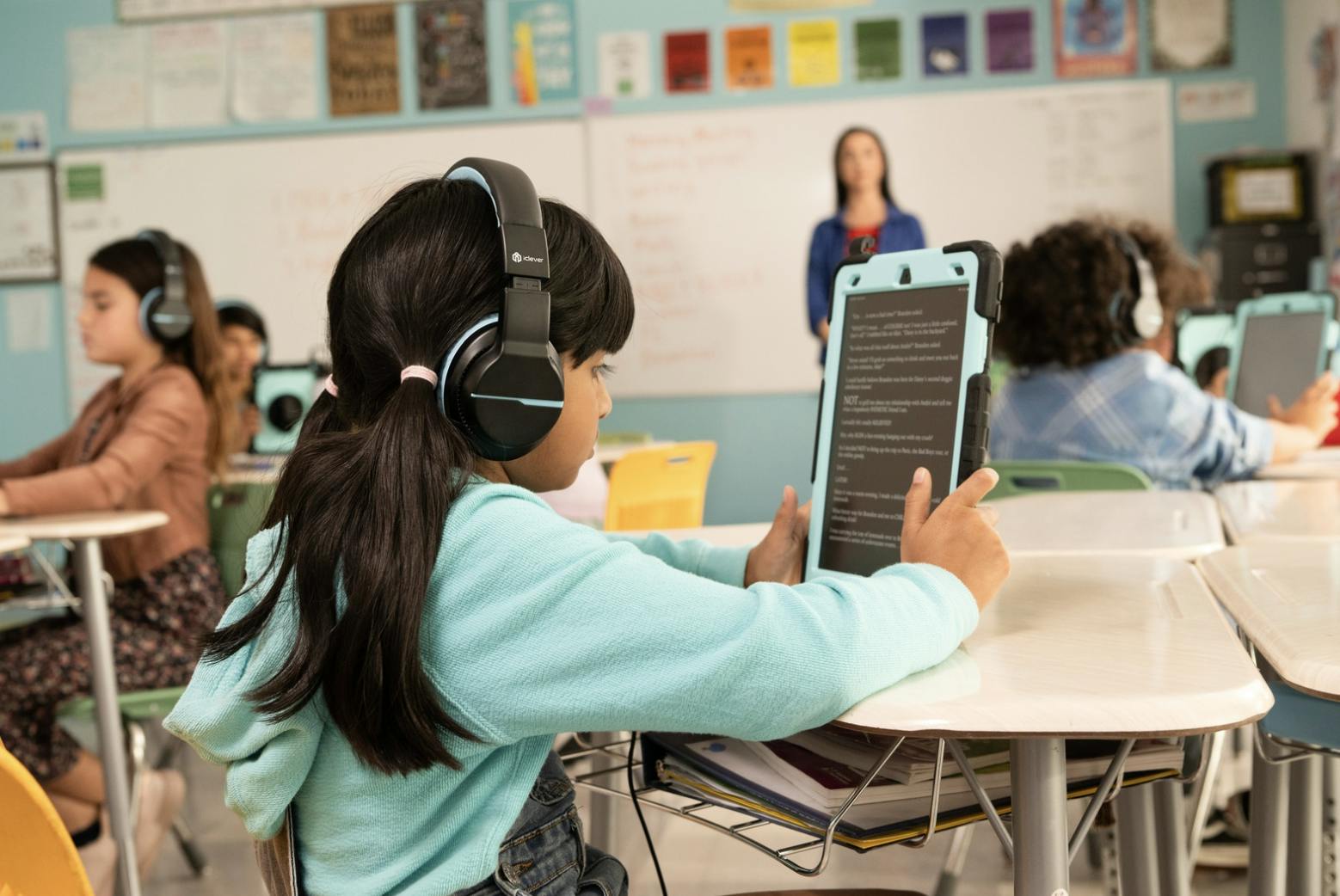
The latest data from National Assessment Governing Board (NAEP), known commonly as The Nation's Report Card, indicates that reading skills have declined in recent years. That drop is hampering learning across all subjects, math included. In 2024, average reading scores for 4th- and 8th-grade students fell by two points compared with 2022, deepening a downward trend that began before the COVID-19 pandemic. Fewer than a third of students now read at the “proficient” level and many are scoring below the “basic” benchmark, a sign they may struggle to extract key ideas or follow arguments in grade-level texts (National Assessment Governing Board).
This reading slump matters across subjects, including math. The governing board warns that “failure to read well keeps students from accessing information and building knowledge across content areas” (National Assessment Governing Board). Word-problems are a good example. Students often face math problems embedded in word-heavy contexts, including multi-step story problems to explanations of geometry or data interpretation. If a student cannot reliably comprehend the language or structure of those problems, math becomes not just about numbers, but about struggling to read the math.
Broader research supports this connection. The Center for Education Policy Research reports that four years after pandemic closures, many students are “less than halfway to a full academic recovery,” and that reading stagnation has been especially persistent relative to math. Even in states where elementary-grade math rebounded modestly, reading scores remained weak, a pattern that undercuts long-term academic growth across subjects (Edsource).
The problem is not limited to early grades. Among high school seniors taking the 2024 NAEP, reading scores dropped to their lowest point since the test’s inception in 1992. That means many graduates may be entering college or the workforce without the foundational reading and math skills needed to understand complex texts, apply logic, or follow multi-step reasoning (Center for Education Policy Research).
Though the data is concerning, the very alignment between reading and math suggests a hopeful opportunity. By strengthening literacy education, schools will see growth across all subjects. When institutions invest in evidence-based reading interventions, including early screening, structured reading instruction, comprehension practice, and high quality tools like Rally Reader, they will successfully support literacy development and the reading fluency students need in math and beyond. In summary, addressing reading rescues the foundation of all learning.
This is where tools like Rally Reader can make a particularly meaningful difference. Rally encourages students to read consistently by celebrating progress with small but powerful motivational features, including badges, sparkles, and milestone acknowledgement. These moments reinforce effort, helping students stay engaged long enough to build stamina, fluency, and confidence. Rally also tracks active reading minutes, ensuring students are truly reading and practicing the skills that transfer across subjects. And because Rally only logs minutes when students are actively reading, families and teachers get accurate insight into real practice time.
For educators, Rally Reader’s individual and class data dashboards reveal who is soaring, who is stalling, and who needs targeted support. Teachers can see accuracy trends, fluency growth, and reading behaviors at a glance, making it easier to intervene early and celebrate meaningful gains. When students use Rally consistently, they experience steady, supported practice. Over time, that consistency builds stronger readers, and stronger readers become more confident learners across every academic domain.
Our innovative literacy app is free to try in your classroom. For families (or teachers!) hoping to support academic success at home, check out this Rally Reader blog post on best-practices for parents. With Rally Reader, educators can nurture confident readers prepared to take on anything– math included.
Learn more about the Nation’s Report Card here.