June 24, 2026
Reading for Belonging: How Stories Help Kids Feel Seen
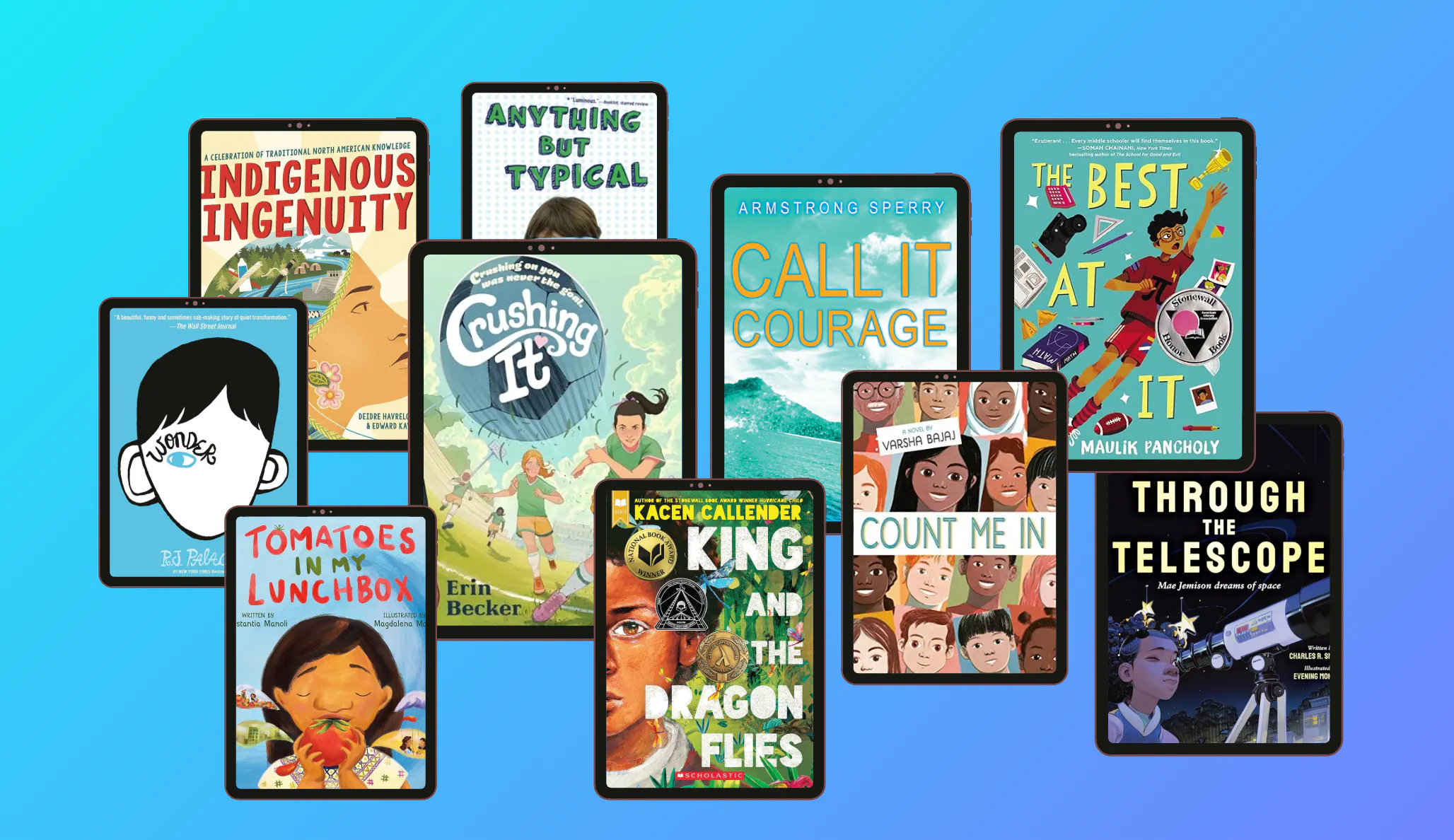
Every child deserves to open a book and feel a spark of recognition. Maybe it's a character who looks like them, a family that resembles their own, a tradition they celebrate, a challenge they've faced, or a feeling they know by heart. These moments of connection help make children feel seen, and gives them a sense of belonging.
Research consistently shows that students are more engaged when they see themselves reflected in what they read. When children encounter characters who share their identities, cultures, languages, experiences, or interests, reading becomes personal. Instead of feeling like an academic task, it becomes something meaningful and relevant, and in many cases, helps provide a roadmap for navigating emotions and growing up (Education Trust).
Representation goes beyond motivation to finish the page. When students see their identities and experiences reflected in texts, they engage more deeply with academic tasks, build stronger comprehension skills, and develop the confidence needed to tackle more complex reading materials (Inquiry by Design).
Developing a Library for Belonging
Educators often describe books as both mirrors and windows. Mirrors allow children to see themselves reflected in stories. They affirm a child's identity and communicate an important message: Your story matters. Windows, meanwhile, allow children to learn about people, cultures, and experiences different from their own. These stories build empathy, curiosity, and understanding. Children need both.
When young readers only encounter stories that reflect one type of experience, they receive a limited view of the world. But when books celebrate a wide range of identities, backgrounds, and perspectives, they help children appreciate both their own experiences and those of others (International Literacy Association).
Creating a sense of belonging through books doesn't require a complete overhaul. It starts with intentional choices. Parents, educators, and caregivers can:
- Offer access to books that reflect a variety of cultures, identities, family structures, and lived experiences
- Encourage children to choose books that spark both recognition and curiosity
- Create opportunities for conversation about characters, experiences, and perspectives
A diverse collection of books ensures that every child has opportunities to find both mirrors and windows throughout their reading journey. When children feel like they belong in books, they're more likely to believe they’re readers. We think that's a story worth telling!