October 10, 2023
Teaching Neurodiverse Readers
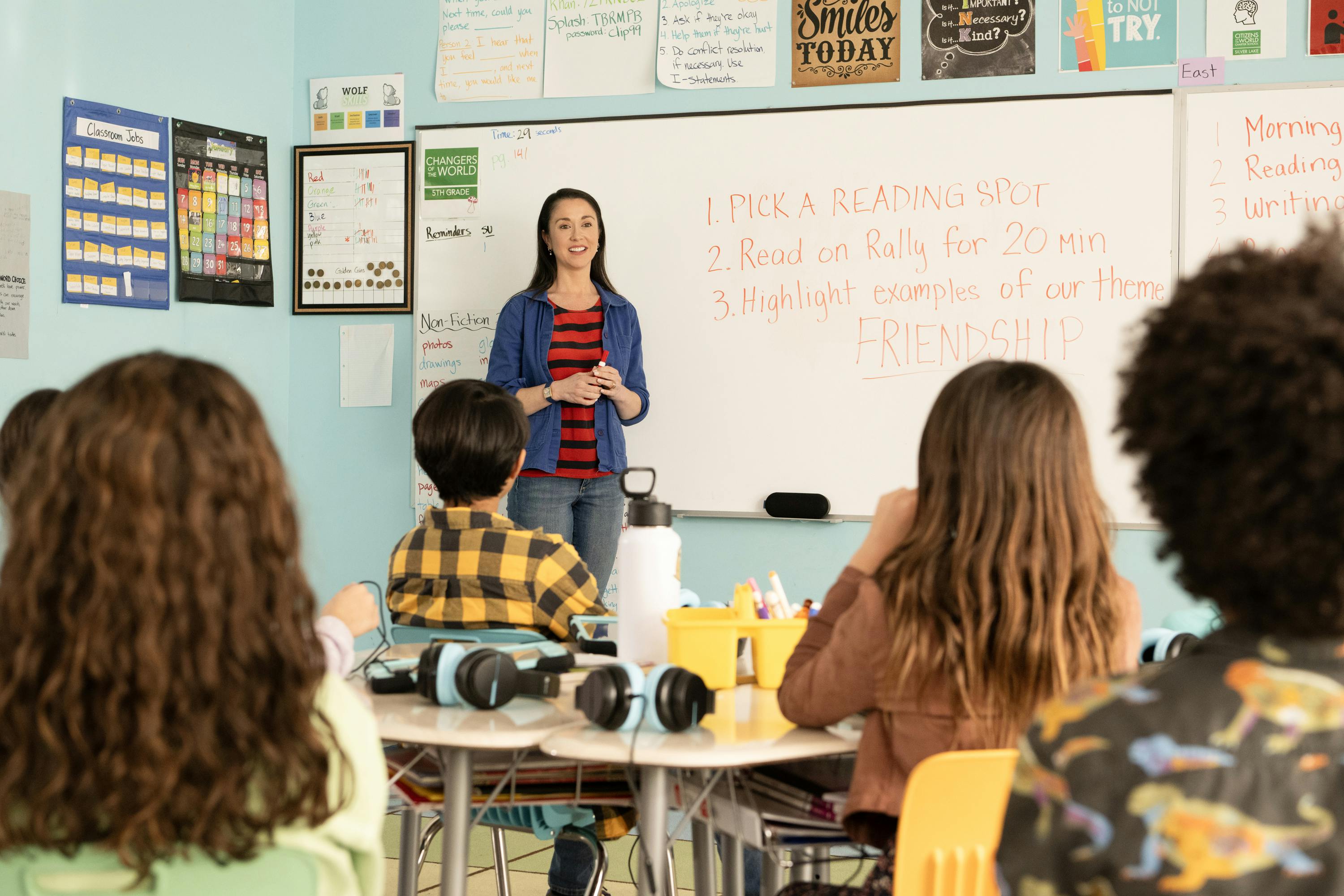
The process of learning to read looks different for all students. As students begin reading in Elementary school, some benefit greatly from special education services, which all students ages 3-21 in the United States are eligible for. There are 13 categories of disability as defined by IDEA (2004). These categories are: autism, deaf-blindness, deafness, emotional disturbance, hearing impairment, intellectual disability, multiple disabilities, orthopedic impairment, other health impairment (including ADHD), specific learning disability (including dysgraphia, dyscalculia, dyslexia, and other learning differences), speech or language impairment, traumatic brain injury, and visual impairment (including blindness) (The 13 IDEA Categories). In order to qualify for special education services, a child must have one of these 13 disabilities and, as a result of that disability, need special education to make progress in school. While some are more clear than others, all 13 of these disability categories may result in a child struggling to learn how to read. Therefore, in the case of any suspected disability, it is paramount that parents and educators prioritize a diagnosis and advocate for appropriate, child-centered interventions.
When people think of special education and learning disabilities, dyslexia is often top of mind. In fact, dyslexia accounts for between 80-90% of all diagnosed learning disabilities (Dyslexia FAQ). Dyslexia is often thought of as a disorder in which readers see letters or words backwards when, in fact, dyslexia is characterized by “problems with accurate or fluent word recognition, poor decoding, and poor spelling abilities” (Dyslexia: neurobiology, clinical features, evaluation and management - PMC). When reading, those with dyslexia need to decode every part of a word. Reading is therefore laborious and time consuming, making it harder to keep up with peers who do not need to decode as they go. Because of this challenge, people with dyslexia often develop low self esteem in reading and academics if they do not receive adequate intervention.
The neurobiology of dyslexia is difficult to pinpoint, as phonological deficit has many components, such as phonological awareness, impaired lexical retrieval, and poor verbal short term memory. Verbal short term memory is the ability to remember things that an individual has read or heard aloud for a 20 minute timeframe. All of these abilities require the use of multiple areas of the brain.
All students, especially those who struggle with reading, benefit from explicit and direct instruction. Programs that emphasize the structured learning of phonological awareness, phonics, fluency, vocabulary, and comprehension often have the best results for students with dyslexia and other reading-based disabilities and challenges. The structured literacy approach emphasizes the importance of learning decoding skills thoroughly (Effective Reading Instruction for Students with Dyslexia). Other programs emphasize a multisensory approach to reading instruction. There are many programs that have been created to support young readers, and this learning is not one size-fits-all. Every child is different and may require unique interventions. Some of the most popular structured reading interventions are LindaMood-Bell, Lexia, and The Lucy Project. Several of the most popular multisensory approaches are Orton-Gillingham and Multisensory Structured Language Education. One thing all of these programs have in common is the importance of meeting children where they are in the reading process rather than expecting them to simply “catch up”. This perspective is crucial in the conversation surrounding special education. Students must be supported and encouraged to learn starting where they are, not where their age or grade dictates they “should” be. Rally Reader was created with these students in mind. Our founder, Andrea, is a mother to three children, the youngest of whom struggled when learning to read. He struggled to read words accurately, relying on the gist of stories instead. He also wanted to be an independent reader, as many young readers do. Andrea soon realized that most children need reading help of some kind when they are learning. So, Rally was born with the goal to provide personal literacy coaching and inspire a lifelong love of reading.
** A note about language: In this article, as well as other articles on our website, we utilize Person First Language (i.e. “people with dyslexia”). Rally Reader recognizes that identity is personal and the way a person self describes is most important when discussing someone's disability. While this matter is much more nuanced, in this article we opt for using person first language when addressing and talking about the disability community.